
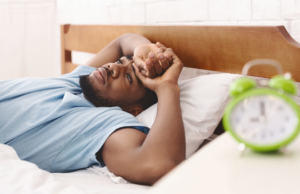
Do you or one of your family members have ADHD? Although this condition is closely associated with hyperactivity and impulsiveness, did you know that research has also linked it to sleeping disorders such as sleep apnea? At first glance, this makes sense—restlessness seems like something that would make sleeping difficult. However, there’s often a lot more going on, and in many cases, these two conditions can create a troubling feedback loop that impacts more than just sleeping. Here’s what you need to know.
The Link Between Sleep Apnea & ADHD
ADHD doesn’t just affect attention and behavior during the day; it can also disrupt how well you sleep at night. It’s common for adults and children with ADHD to experience insomnia, restless sleep, or delayed bedtimes, which can worsen daytime symptoms like fatigue and memory loss, as well as make it harder to focus, regulate emotions, and function at school or work. An estimated 25% to 50% of people with ADHD experience sleep problems, often beginning in childhood and worsening with age.
While many ADHD patients struggle with insomnia, others experience excessive sleepiness. This can be attributed to the brain’s difficulty regulating arousal and alertness, or due to coexisting conditions like anxiety, depression, or sleep apnea.
The Importance of Sleep Apnea Treatment
Not getting enough sleep can have a very negative impact on your overall quality of life, as well as your day-to-day routine. Fortunately, professional sleep apnea treatment is designed to be minimally invasive, highly effective, and something that can easily be integrated into your lifestyle.
Once you’ve received a proper diagnosis following a sleep study, common treatment options include things like oral appliance therapy, which involves the use of a specialized mouthguard worn at night. By ensuring the airway is kept open, it helps to reduce the number of apnea episodes that patients experience throughout the night. Seeking sleep apnea treatment can also shed light on just how much of a factor ADHD is when it comes to your nighttime disruptions.
Tips for Getting Better Sleep with ADHD
While proper sleep apnea treatment and ADHD management are going to work wonders for your health, there are also many other small and simple habits you can keep in mind, such as:
- Cut off sugar, caffeine, and alcohol intake a few hours before bedtime.
- Avoid excessive screen time and blue light an hour before bed.
- Make your bed a stress-free zone reserved only for sleeping.
- Get enough exercise and sunlight during the day.
- Avoid stimulating activities and projects that require hyper-focusing in the evening.
- Try to go to bed around the same time each night and try waking up at the same time each day.
- Keep your bedroom dark, cool, and quiet. You can use blackout curtains to block out any excess light or a fan to keep things cold. The ideal temperature for sleeping is 60 – 67 degrees Fahrenheit.
ADHD and sleep apnea are problematic enough on their own, but when they begin to work in tandem to disrupt your sleep and quality of life, seeking proper treatment is a sure way of getting things back under control!
About the Author
Dr. Keane Fedosky graduated from the Baylor College of Dentistry and has been serving patients and families for over 30 years, most of which have been spent treating airway and TMJ disorders. As a Diplomate of the American Board of Dental Sleep Medicine, few are as qualified as him to help you conquer your sleep apnea and get back to getting restful sleep every night. If you have any questions about the blog or you’d like to schedule an appointment with Dr. Fedosky, please feel free to reach out online or call today for more information. Telephone: (972) 496-0515.