
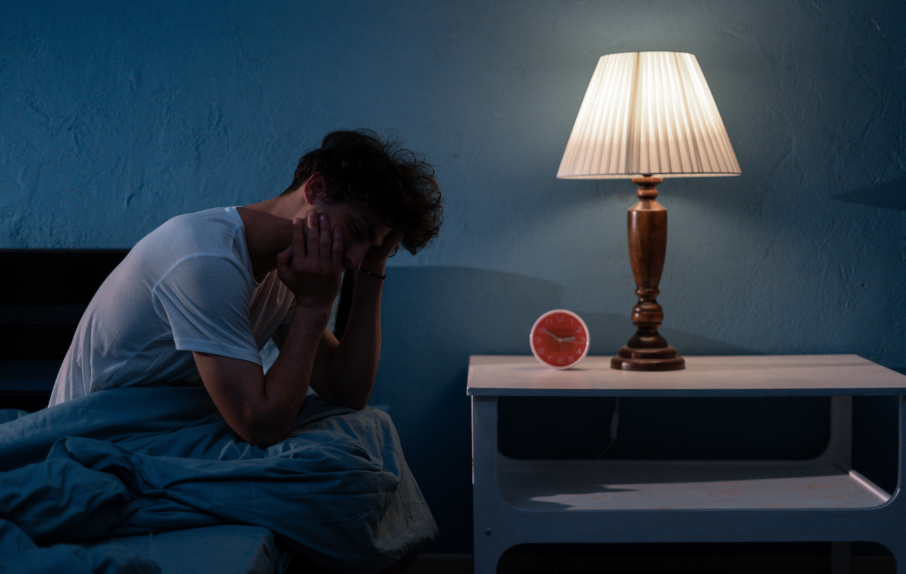
When the weather gets hot, falling asleep can become a challenge. Tossing and turning, sweating through your sheets, and waking up feeling overheated can all interfere with a good night’s rest. For people with sleep apnea, excessive heat may make an already difficult sleep experience even more disruptive. While temperature doesn’t cause sleep apnea, maintaining a comfortable bedroom environment can support better sleep quality and may help reduce some of the factors that make nighttime symptoms harder to manage.
Why Temperature Matters During Sleep
Your body naturally changes temperature throughout the night. As bedtime approaches, your core body temperature begins to drop, helping signal to your brain that it’s time to sleep. A bedroom that’s excessively warm can interfere with this natural cooling process, making it harder to fall asleep and stay asleep.
Hot conditions can also increase sweating and dehydration, leaving you uncomfortable throughout the night. If you’re already waking frequently because of sleep apnea, adding heat-related discomfort can make restful sleep even more difficult.
Can Heat Make Sleep Apnea Worse?
Heat itself doesn’t cause the airway to become blocked, which is the primary problem associated with obstructive sleep apnea. However, sleeping poorly because of an overly warm environment can compound the fatigue and daytime sleepiness associated with the condition.
Hot, humid air may also contribute to nasal congestion for some people, making comfortable breathing more difficult. Additionally, people may sleep differently when they’re uncomfortable, and disrupted sleep can affect how rested they feel the next morning.
That’s why creating a comfortable sleep environment is an important part of good sleep habits, even though it isn’t a treatment for sleep apnea itself.
Keep Your Bedroom Comfortable
If your bedroom feels more like a sauna than a sanctuary, a few simple adjustments may help. Use air conditioning or a fan to keep the room comfortably cool, and consider breathable sheets and lightweight sleepwear during warmer months.
Blackout curtains can also help prevent sunlight from heating your bedroom during the day. If humidity is an issue, a dehumidifier may make the room feel more comfortable.
There’s no single temperature that’s perfect for everyone. The goal is to find a bedroom environment that feels comfortably cool without leaving you shivering.
Don’t Forget Your Sleep Apnea Treatment
Keeping your bedroom cool can support comfortable sleep, but it shouldn’t replace treatment for sleep apnea. If you’ve been diagnosed with sleep apnea, continue following your prescribed treatment plan, whether that involves positive airway pressure therapy, an oral appliance, lifestyle changes, or another approach recommended by your healthcare provider.
If you’re experiencing persistent snoring, gasping during sleep, morning headaches, or excessive daytime sleepiness, talk with a healthcare professional about whether sleep apnea could be contributing to your symptoms.
Build a Better Sleep Environment
Temperature is just one piece of the sleep puzzle. Keeping your bedroom dark and quiet, maintaining a consistent bedtime routine, and choosing comfortable bedding can all help create conditions that are more conducive to restorative sleep.
When your room is cool, comfortable, and designed with sleep in mind, you’re giving your body a better opportunity to settle into the rest it needs.
A comfortable bedroom can’t cure sleep apnea, but it can help make bedtime a little easier.
About the Practice
Sleep Rehab of Plano provides care focused on sleep-related concerns, including sleep apnea. Dr. Fedosky and Dr. Kessler work with patients to address sleep-disordered breathing and develop individualized approaches to improve their sleep health. Patients experiencing symptoms associated with sleep apnea can work with the team to explore appropriate evaluation and treatment options.
Call us at (972) 496-0515 or schedule your appointment online