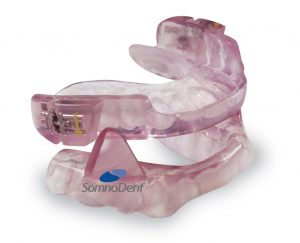
Did you know that one-third to 50% of adults who patients with a CPAP machine stop using it? There are also reports of patients that say they feel just as tired as they were before the CPAP therapy. What are some main complaints and issues with the CPAP and is there a way to avoid the CPAP all together?
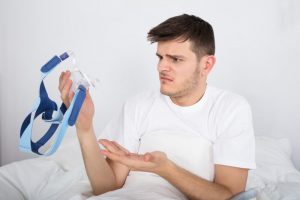
CPAP Complaints
- Feeling claustrophobic
- Not feeling comfortable with the mask on
- Difficult time adjusting to air pressure on the throat
- Expensive
- Loud
- Difficult to carry around
- Causes nasal problems
Solutions to a problem are only as effective as the amount of use they are receiving, so if half of the patients aren’t even using it, it’s not working.
Luckily, Sleep Apnea has alternatives to CPAP Machines that are more comfortable, less expensive and users report a longer use.
An Effective Alternative to CPAP:
- Oral appliance
- Similar to a mouthguard
- Worn nightly
- Holds the lower jaw forward instead of pressurized air inside of your lungs
- Highly customized by the experts at Sleep Rehab to ensure comfortability
If you’ve been experiencing difficulty sleeping, been waking up more exhausted than usual and experiencing increased snoring, it may be time to come in for a consultation at Sleep Rehab. We have a team of highly-trained professionals that will help you get to sleep comfortably by using non-invasive or machine-oriented techniques, like an oral appliance. Contact us today!

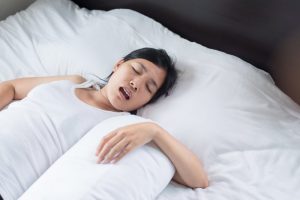 Dreams are part of the sleep cycle and are thought to be important to your mental and emotional health; if you haven’t been able to remember them lately, it might be a side effect of a serious sleep disorder. According to a study in the Journal of Clinical Sleep Medicine, only 43.2 percent of patients with obstructive sleep apnea are able to recall their dreams – and the reason most likely has to do with how the condition disrupts the quality of your rest. Read on to learn why you may need to have your sleep apnea treated before you can enjoy sweet dreams again.
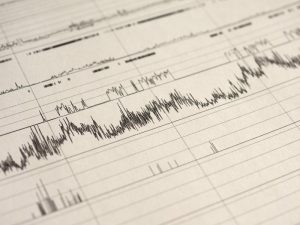 If a sleep dentist or doctor thinks you might have sleep apnea or a similar disorder, they might recommend a
 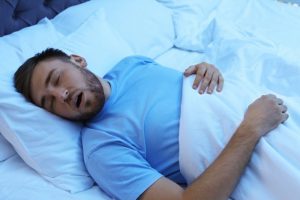 After your partner complained that your loud
 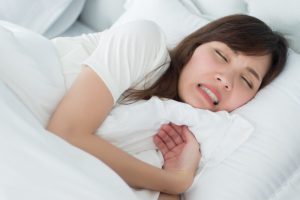 While obstructive
 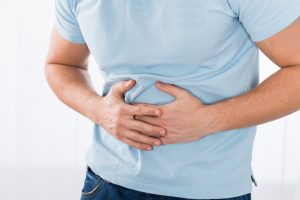 Not getting enough sleep can have more severe consequences than just being tired the next day. Recent research has shown that your guts – which refer to your small and large intestines – might suffer if you fail to get a good night’s rest, and that could have a huge, negative impact on your quality of life and overall healthy. To avoid this, it’s important to understand how a lack of sleep affects your gut health.
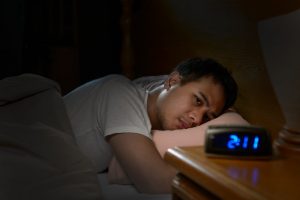 Maybe you’re suffering from a serious sleep disorder, or maybe you’re a new parent with a baby that keeps crying during the night. Whatever the reason, interrupted sleep can leave you feeling tired the next morning. Unfortunately, that’s not the worst that can happen, especially if it’s an issue that lasts for weeks. Here are 5 ways your physical and mental can be affected if you don’t catch enough z’s.
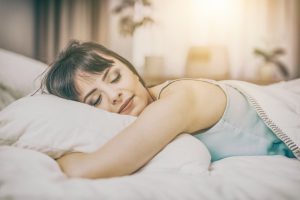 Sleeping seems pretty straightforward; all that happens is that the body and brain shut down for a while and give themselves a chance to recover from a busy day, right? Not exactly! There’s a lot more activity going on than you’d think during your nightly slumber. Everyone goes through multiple sleep cycles each night – usually 4 or 5, assuming you’re getting enough rest. Here’s the truth of what happens to your body while you’re snoozing.