
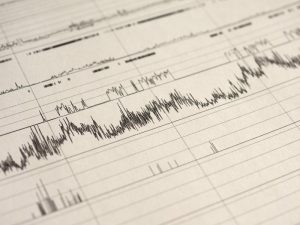
 If a sleep dentist or doctor thinks you might have sleep apnea or a similar disorder, they might recommend a sleep test. This can mean staying at a lab overnight, or it might mean taking a special device home to wear while you sleep; in either case, the test will record your brain waves, measure the oxygen levels in your blood, and keep track of your heart rate and breathing – all of the necessary information to make a proper diagnosis. Are you not sure whether a sleep test is worth the trouble? Here are 3 reasons why it could have a very real impact on your sleep health.
Sleep Rehab Blog
3 Reasons Why You Should Have a Sleep Test Done
January 28, 2020
Comments Off on 3 Reasons Why You Should Have a Sleep Test Done
New Study: Correlation Between Age Acceleration & Sleep Apnea
December 30, 2019
As a sufferer of Obstructive Sleep Apnea (OSA), you might be experiencing quite a few side effects including trouble breathing in the middle of the night, waking up unusually exhausted, and others. However short-lived those effects may be, there are other effects of not sleeping through the night that may cause long-term damage, including your lifespan.
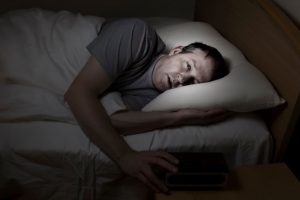
Image via abc.net.au
Could untreated sleep apnea result in shaving years off of your life? According to a 2019 study by Oxford, it certainly could.
In this article titled, Sleep Disordered Breathing Associated with Epigenetic Age Acceleration, tested with 53% female and 47% male and an average age of 67.8 found that disruption in your breathing while asleep not only changes your circadian rhythm causing exhaustion, but it also aids in age acceleration.
The scientists that published the article concluded: “Increasing SDB (sleep disordered breathing) [a side effect of OSA] severity and sleep disruption was associated with epigenetic age acceleration, independent of measured confounders.”
Epigenetics refers to the changes that can happen in DNA because of lifestyle and environmental factors that can affect how genes behave. When you don’t get enough sleep, your DNA could be aging faster than it normally would.
In the study, one of the authors stated, “Traditionally, we don’t give as much attention to sleep as we do to exercise or smoking,” says Dr. Li. “But it’s another modifiable risk factor, like smoking, physical inactivity, or poor diet.”
The good news is, epigenetic aging is reversible when treated and could improve cardiovascular and neurobehavioral health.
“Although there is no cure for sleep apnea, recent studies show that successful treatment can reduce the risk of heart and blood pressure problems.” – National Institute of Neurological Disorders and Stroke
At Sleep Rehab, located in the Dallas area, we can provide treatments that have proven time and time again to treat your sleep apnea with the possibility to slow the age acceleration that OSA has caused. These treatments are non-invasive, non-pharmaceutical and non-surgical. No CPAP required. Contact us today to learn more and get started.
Comments Off on New Study: Correlation Between Age Acceleration & Sleep Apnea
Everything You Need to Know About Life with Sleep Apnea
December 28, 2019
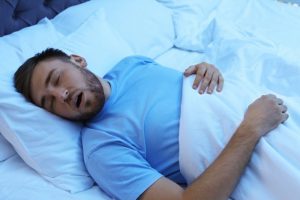 After your partner complained that your loud snoring forced them to sleep in another room, you decided to find a sleep expert for treatment. Unfortunately, after tests have been conducted, they told you that it’s not just regular snoring; it’s a side effect of sleep apnea. What is this disorder, and what will it mean for your nightly slumber and your overall health now that you have it? Here’s everything you’ll need to know about this potentially dangerous condition.
Comments Off on Everything You Need to Know About Life with Sleep Apnea
A Letter to the Snoring Spouse
December 2, 2019
My dear [insert name here],
I’m writing this letter during yet another sleepless night. I have been awoken to what sounds like a massive, growling bear beside me in the wee hours of the morning. Wide-awake now, I’m unable to fall back asleep. Work is just a few short hours away. It’s going to take a truckload of coffee to get through the day, I can already tell. Now, this letter is not a sudden decision. It’s taken a lot of deep contemplation on my part as to how to tell you this:
The snoring has got to stop.
That might sound harsh and you know I love sleeping beside you every night, but I’m not sure I can take it any longer. I’m not sure if we can take it any longer.
It’s apparent that you’re not getting a full night’s rest, either. The disruptive, loud, snoring and breathing pauses can’t be healthy for you and they wake you up, too. In fact, I know it isn’t healthy because I’ve been doing some research. However, with the research, I have discovered that there are solutions (that don’t require one of us sleeping in the guest bedroom!). Plus, these solutions I’ve found aren’t surgically-invasive or pharmaceutical. How perfect is that?
First, you’ll go through a sleep test to determine what the cause of the snoring is. From there, you’ll be presented with a variety of sleep appliance options. Dr. Fedosky will talk you through each one and carefully identify which will work best for you. And, guess what? We’re not the only couple going through this problem, Sleep Rehab has helped other couples just like us get a better night’s sleep.
I’m excited about this solution, and I hope you are too. It’s time we both sleep through the night, next to each other. When you’re ready, we can request an appointment.
With love,
Your Exhausted Spouse
Comments Off on A Letter to the Snoring Spouse
The Science Behind Snoring & How to Fix it
November 4, 2019
Your dog does it, your hamster can do it, and even that hummingbird in your backyard can do it. We’re talking about snoring. And while it is one of the more common animal behaviors, do we know what causes it? Turns out a variety of factors could be causing your, or your sleeping dog’s, snoring. It also turns out you don’t have to go night after night snoring – there is a solution!

According to Lynn A. D’Andrea, a sleep specialist at the University of Michigan Medical School, “[Snoring] is the combination of turbulent airflow through the hypotonic airway structures that results in the harsh vibratory noise known as snoring.”
But get this – snoring is not an illness. It is merely a symptom and you may be experiencing snoring because of something else. One of the more common causes of snoring is obstructive sleep apnea (60-70 million Americans experience this), which is a disorder causing gaps or pauses in a person’s breathing during sleep. Obstructive sleep apnea and snoring leads to fatigue, waking up exhausted and overall less quality of sleep. Sound familiar?
If your partner has requested you sleep in the other room nightly, or you find yourself dozing off at work, it might be time to take care of your snoring and sleep apnea.
Thousands of Americans find solutions like the CPAP machine, medication and surgery to be effective, but you don’t need to connect to a machine, take pharmaceutical drugs or go under the knife to remedy your snoring.
At Sleep Rehab, our Board Certified Professionals use non-invasive, non-surgical and non-pharmaceutical solutions and come up with a customized treatment plan for you. Contact us today to find out your options and stop this snoring today!
Comments Off on The Science Behind Snoring & How to Fix it
Women with Sleep Apnea Have a Higher Risk for Heart Attacks
October 18, 2019
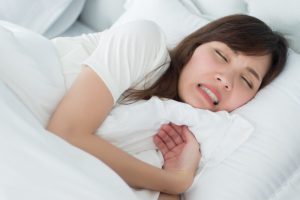 While obstructive sleep apnea tends to be more common in men, women are still at risk for the disorder – and in some ways it may be even more dangerous for them. Recent studies suggest that women who suffer from sleep-disordered breathing might be more likely to suffer life-threatening heart problems. Here’s what you need to know about the importance of uninterrupted slumber when it comes to women’s health.
Comments Off on Women with Sleep Apnea Have a Higher Risk for Heart Attacks
Why Your Gut Health Could Suffer If You Don’t Get Enough Sleep
September 19, 2019
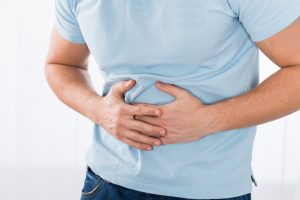 Not getting enough sleep can have more severe consequences than just being tired the next day. Recent research has shown that your guts – which refer to your small and large intestines – might suffer if you fail to get a good night’s rest, and that could have a huge, negative impact on your quality of life and overall healthy. To avoid this, it’s important to understand how a lack of sleep affects your gut health.
Comments Off on Why Your Gut Health Could Suffer If You Don’t Get Enough Sleep
5 Consequences of Not Sleeping Through the Night
August 9, 2019
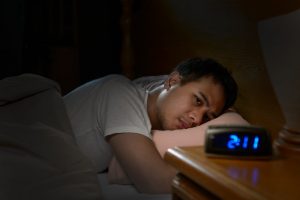 Maybe you’re suffering from a serious sleep disorder, or maybe you’re a new parent with a baby that keeps crying during the night. Whatever the reason, interrupted sleep can leave you feeling tired the next morning. Unfortunately, that’s not the worst that can happen, especially if it’s an issue that lasts for weeks. Here are 5 ways your physical and mental can be affected if you don’t catch enough z’s.
Comments Off on 5 Consequences of Not Sleeping Through the Night
The Truth Behind What Really Happens During Your Sleep Cycles
July 24, 2019
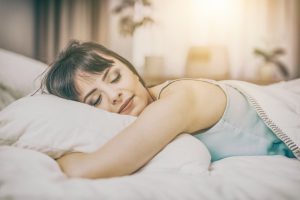 Sleeping seems pretty straightforward; all that happens is that the body and brain shut down for a while and give themselves a chance to recover from a busy day, right? Not exactly! There’s a lot more activity going on than you’d think during your nightly slumber. Everyone goes through multiple sleep cycles each night – usually 4 or 5, assuming you’re getting enough rest. Here’s the truth of what happens to your body while you’re snoozing.
Comments Off on The Truth Behind What Really Happens During Your Sleep Cycles
How Long Will It Take to Get Used to My Snoring Mouthguard for Sleep Apnea?
June 9, 2019
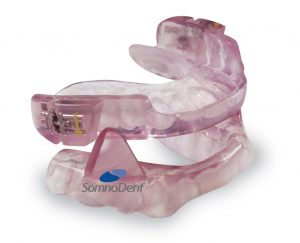
Have you ever been constantly tired no matter how much coffee you drink? Do you frequently wake up with a sore throat? Has your bed partner complained about your loud snoring? If yes, you might have sleep apnea, a disease where you temporarily stop breathing in the night. One way to get it treated is by seeing your dentist and getting a snoring mouthguard made. Let’s talk about getting used to this oral appliance.
Comments Off on How Long Will It Take to Get Used to My Snoring Mouthguard for Sleep Apnea?